Upgrade Your Property: Key Information On Residential Improvement Projects for Every Homeowner
Property owners frequently look for methods to enhance their homes by using renovation services. These projects can range starting with kitchen improvements to entire residential overhauls. Knowing the choices accessible is crucial for making informed decisions. Moreover, one must consider real-world factors like budgeting and contractor selection. As homeowners commence on this journey, they could face surprising obstacles. The secret to a great renovation lies in meticulous preparation and performance. Which actions should follow?
Knowing the Various Categories of Residential Renovation Work

When property owners think about upgrading their residences, they frequently come across many different types of services tailored to different needs and preferences. These projects are generally grouped into various categories, all dealing with certain elements of home improvement. Renovating the kitchen involves updating appliances, the cabinets, and the design to improve usability and the look. Bathroom upgrades generally mean upgrading fixtures, the ceramic work, and shelving options for greater ease and design.
Full-house renovation covers significant changes throughout the residence, frequently involving changing the structure to make the most of the space and movement. Outdoor renovation projects, on the other hand, focus on boosting curb appeal, handling the exterior walls, the covering, and landscaping. Additionally, specialized services like basement finishing and attic conversions help residents make the most of underutilized spaces. All these service types offers unique benefits, letting residents pick services that fit their desired outcome for their home life. Understanding these distinctions is crucial to choosing wisely throughout the remodeling project.
Creating an Attainable Financial Limit for Your Remodeling Project
What steps ensure their remodeling projects remain within budget? Creating a sensible budget is vital. Homeowners should begin by determining their fiscal limits, like savings and available loan choices. This preliminary action allows one to figure out the amount that can be set aside for the renovation without jeopardizing other monetary duties.
Afterward, those undertaking the remodel should investigate the expenses linked to their planned updates, considering materials, labor, and unforeseen expenses that often arise. Developing a comprehensive priority list aids in identifying must-haves versus nice-to-haves, enabling modifications if the finances are strained.
It is smart to incorporate a reserve fund, generally 10-20% of the entire budget, to account for surprise expenditures. Regularly reviewing and adjusting the budget throughout the remodeling process can also help maintain financial control. Finally, a thoroughly prepared budget does more than just confirm the project can be done and makes the whole updating experience better for homeowners.
Selecting the Appropriate Contractor for Your Requirements.
Finding a suitable builder can greatly impact how well a renovation turns out. It is recommended that homeowners start by performing extensive investigation, seeking recommendations from friends, family, or online reviews. It is essential to confirm documentation, like licenses, insurance, and bonds, to verify their standing.
After suitable professionals have been found, they should seek detailed cost breakdowns and timeframes, facilitating well-grounded side-by-side evaluations. Meeting with them offers a look at their manner of communicating and their professional conduct, that are key to a cooperative effort.
Additionally, reviewing past projects through portfolios or references shows the builder's standard of work. It is wise to question them regarding warranties or safeguards, which shows the professional's belief in their output.
Finally, picking a builder whose approach fits the property owner's ideas, cost plan, and timeframe leads to a more favorable updating process, ensuring the work fulfills requirements and successfully updates the home's interior.
Structuring and Laying Out The Space You Envision.
When property owners picture their perfect areas, careful planning and thoughtful design become essential components of a triumphant renovation effort. The initial phase includes assessing present requirements and long-term goals, to gain a complete comprehension of the area's utility. It is important for homeowners to weigh practicality, visual appeal, and their individual taste, ensuring that the design reflects their distinctive choices.
Following this, it is critical to create a detailed budget. This budget should account for materials, workforce costs, and contingency funds. Hiring professional designers can offer helpful perspectives, assisting in improving the layout while sticking to budgetary constraints.
Incorporating elements like ample daylight, spacious designs, and sustainable materials can improve the final result. Lastly, seeing the project via sketches or digital renderings can aid in refining ideas before starting the work. When handling the initial design phase deliberately, homeowners can design a welcoming, practical area tailored to their lifestyle.
Understanding Regulations and Permits in Residential Projects
Familiarizing oneself with the red tape and requirements can be challenging for homeowners embarking on a renovation. Every local government sets particular guidelines that govern what can be done during renovations, often influenced by zoning laws, building codes, and security requirements. It is essential for homeowners to understand local regulations so they don't incur hefty fees or construction hold-ups.
Generally, securing permits analysis is essential for substantial modifications, such as structural changes or new wiring installations. This process often involves submitting plans for review and could involve check-ups at different phases.
Working with a skilled professional can streamline these steps, as they are often familiar with local codes and can assist with paperwork. Owners must also maintain clear communication with the municipal planning office to verify legality throughout the project. By comprehending and working within these rules, homeowners can achieve their remodeling goals and maintaining compliance with the law in their renovations.
Common Queries
How Long Does a Typical Home Remodeling Project Take?
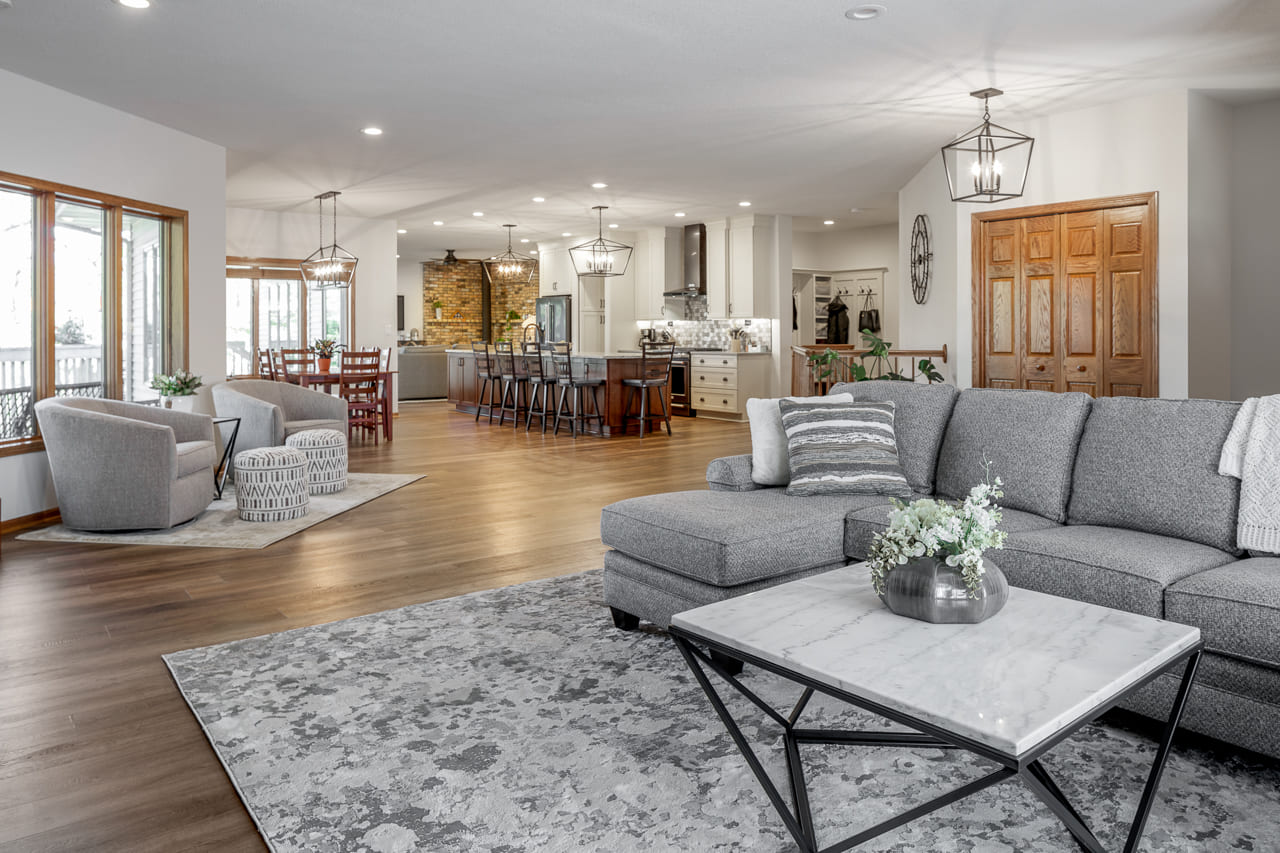
The average remodeling job typically spans between three to six months, depending on the scope of work, size of the home, and availability of materials. More involved renovations might need extra time for completion.
What are the common mistakes to avoid during remodeling?
Frequent errors during remodeling often involve failing to budget properly, not securing the required permissions, overlooking timelines, failing to communicate effectively with the construction team, and not considering long-term functionality. Knowing these potential problems often results in a smoother, more successful renovation project.
How do I choose the appropriate materials for the job?
Choosing the right materials requires assessing their resilience, the look and feel, and budget. Researching options, consulting professionals, and factoring in how much care they require are vital steps in reaching educated conclusions, ensuring the project aligns with personal and functional requirements.
Will I be able to reside in my property throughout the construction phase?
Yes, one can live in their home during renovations, but it may lead to inconvenience. Thorough preparation, clear communication with contractors, and creating defined spaces for daily use can lessen the stress while the work is underway.
What kind of coverage should be provided by my builders?
You should anticipate receiving warranties covering workmanship, the supplies used, and the integrity of the structure, typically ranging from one to ten years. It is essential to examine the fine print and details alongside your builders to understand coverage and limitations fully.